Testosterone
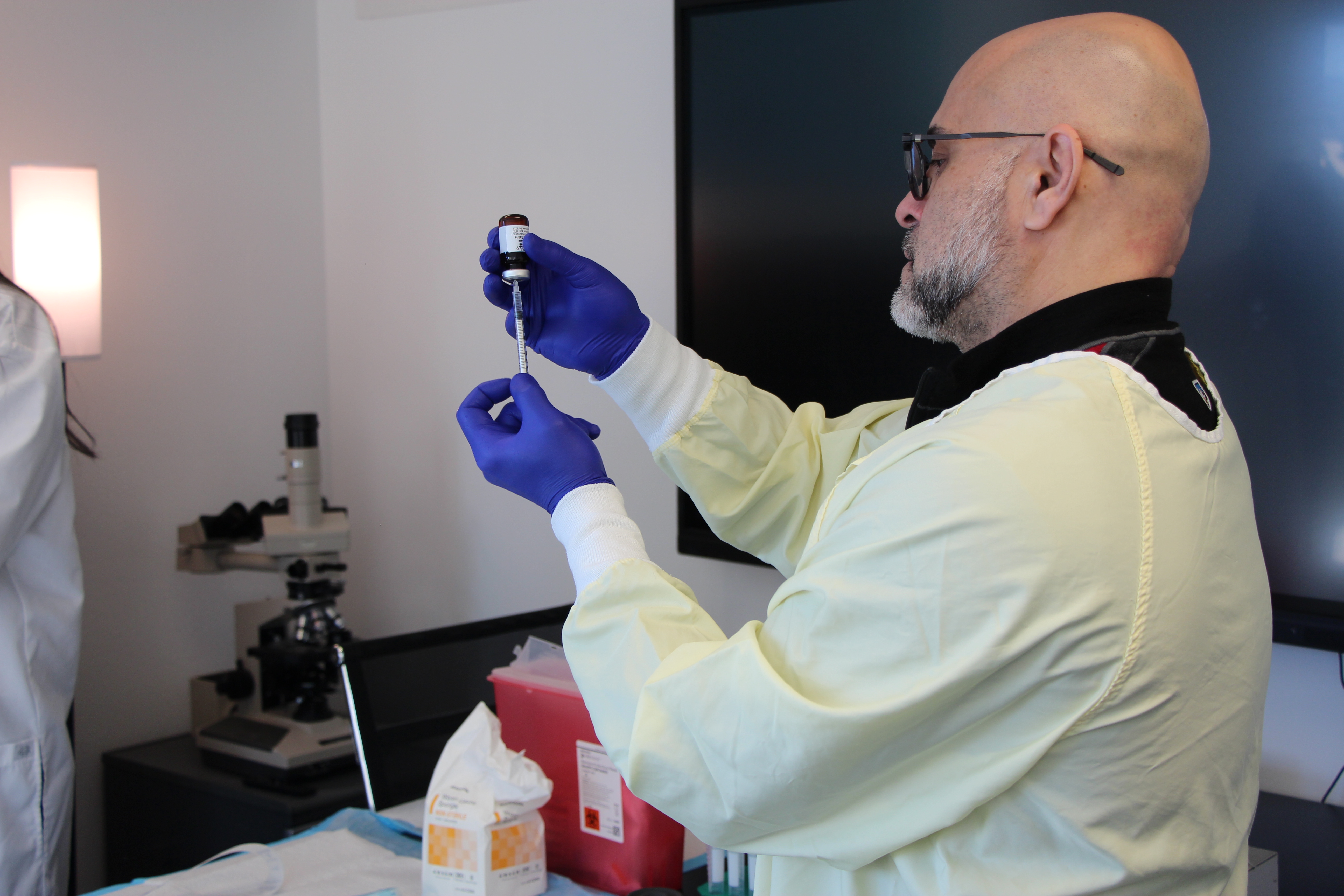
Our research explores whether testosterone can reduce muscle atrophy after surgery and support a quicker return to the activities people love.
About This Research Area
Orthopaedic procedures often lead to more than just temporary downtime—they can trigger a loss of strength that causes a serious setback to returning to full fitness. Surgery initiates a stress response in the body, including a rise in cortisol levels. If left unaddressed, this can lead to muscle breakdown and prolonged atrophy.
Testosterone may offer a novel approach to preserve muscle and promote healing after surgery.
Administered prior to a procedure, testosterone may counteract the effects of cortisol by preventing or limiting muscle loss and stimulating muscle fiber regeneration—potentially improving strength retention and accelerating a return to activity.
A 2019 pilot study confirmed the safety of this approach and provided early insight into its clinical viability. The next step is a large clinical trial to test the efficacy of whether long-acting testosterone can improve post-operative recovery and protect against muscle atrophy.
Areas of Investigation
Preserving Muscle
Can testosterone help reduce the loss of muscle following surgery?
Timing Treatment
Does administering testosterone before and after surgery show different results, than administering it only after surgery?
Accelerate Healing
Can testosterone accelerate a patients' recovery and preserve their strength, enabling a faster return to activity and normal life?
Tracking Muscle Changes
How does muscle size change during recovery? Ultrasound scans will help the team follow those changes over time.
Current Research
SRF has successfully completed the safety trial and are now planning the full efficacy trial—the next stage of research to test whether long-acting testosterone can help preserve muscle and improve recovery after surgery.
The study is designed to compare testosterone injections given before and after surgery, or only after surgery, with placebo saline injections. Comparing these groups will help the team understand whether testosterone makes a difference and whether timing of administration matters.
This study will measure testosterone’s effectiveness in preserving muscle mass and function after orthopaedic surgery, with the goal of improving outcomes across a range of procedures.
Our MuscleSound Partnership
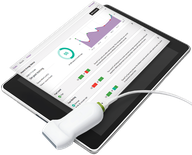
SRF is partnering with MuscleSound Inc. to help measure changes in muscle during the study. MuscleSound uses ultrasound images and software to assess muscle thickness.
By comparing scans taken before and after surgery, the research team can track changes in muscle thickenss over time and compare results between the study groups with greater accuracy.
 |  |
Support This Research
Help us explore ways to preserve muscle and improve recovery after surgery.